
As energy prices continue to rise and the push for sustainable living grows stronger, homeowners are increasingly seeking cost-effective and eco-friendly alternatives to traditional heating systems. One standout solution is the air source heat pump (ASHP). By harnessing renewable energy from the air outside your home, this innovative technology offers significant savings on energy bills and delivers substantial environmental benefits.
Table of Contents
What Is an Air Source Heat Pump?
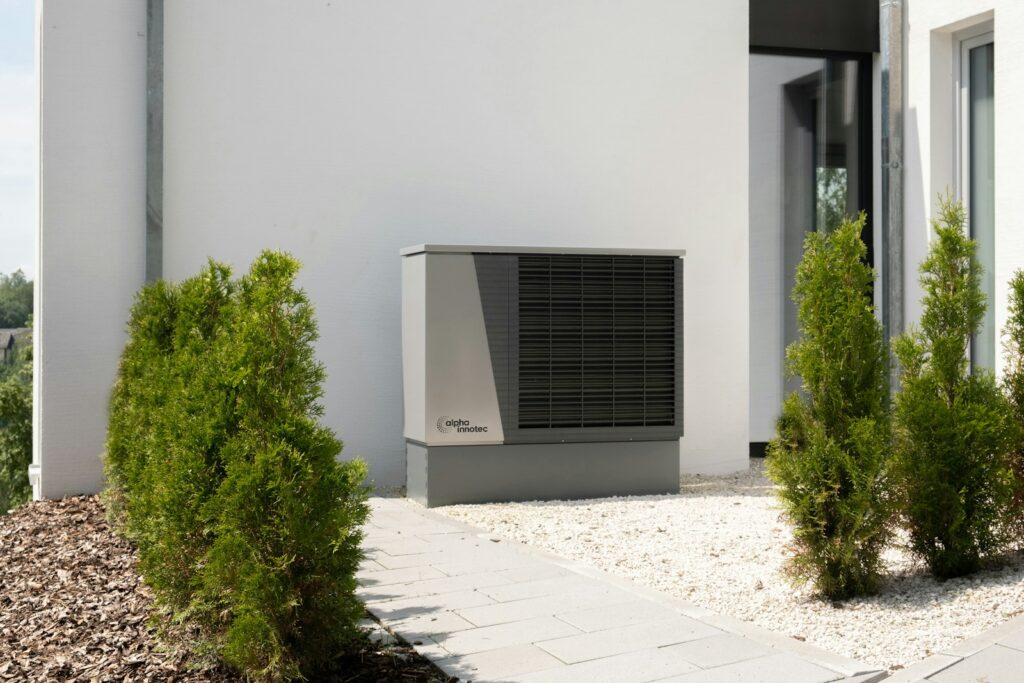
An air source heat pump is a heating and cooling system that extracts heat from the outside air—even in cold weather—and transfers it inside to warm your home. In the summer, the system can be reversed to cool your home by moving heat from indoors to outside, much like an air conditioner.
Unlike gas or oil boilers that burn fossil fuels, ASHPs use electricity to transfer heat, making them much more efficient. For every unit of electricity they consume, air source heat pumps can deliver three to four units of heat—up to 400% efficiency compared to 90% or less for many gas boilers.
Lower Energy Bills
One of the biggest draws of installing an air source heat pump is the potential for long-term savings on energy bills. Since ASHPs use a small amount of electricity to move heat rather than generate it through combustion, they require far less energy to operate.
Here’s how that translates into savings:
-
High efficiency: With a Coefficient of Performance (COP) typically between 3 and 4, an ASHP can reduce your heating energy consumption significantly.
-
Reduced fuel dependency: If you’re currently using oil, propane, or electric resistance heating, switching to an ASHP can dramatically cut your energy costs.
-
Year-round comfort: Since most ASHPs also provide cooling, you may save on air conditioning expenses as well.
While the upfront installation cost of an ASHP can be higher than a conventional boiler, many homeowners recover the investment through lower utility bills within a few years. Government incentives and rebates available in many regions also help offset installation costs, making the transition even more financially appealing.

Better for the Environment
Air source heat pumps are not only good for your wallet—they’re also a smart choice for the planet. Traditional heating systems, particularly those using fossil fuels like gas or oil, are major sources of greenhouse gas emissions. By contrast, ASHPs rely on ambient air, a renewable resource, and can be powered by renewable electricity sources, such as solar or wind.
Here’s how ASHPs support environmental sustainability:
-
Lower carbon footprint: An ASHP can reduce a household’s carbon emissions by up to 50% compared to a gas boiler, and even more compared to oil or electric resistance heating.
-
No on-site combustion: ASHPs produce no carbon monoxide or other combustion by-products, improving indoor and outdoor air quality.
-
Integration with renewable energy: If paired with solar panels, an ASHP can run on 100% renewable energy, making your home nearly carbon-neutral.
Additional Benefits
In addition to cost and environmental advantages, ASHPs offer other benefits that enhance home comfort and value:
-
Consistent heating: ASHPs provide steady indoor temperatures without the fluctuations common in older systems.
-
Low maintenance: With fewer moving parts and no combustion, ASHPs require less maintenance than traditional heating systems.
-
Future-proofing: As governments move toward net-zero emissions, installing an ASHP puts you ahead of potential regulations or bans on fossil-fuel heating.
Is an ASHP Right for You?
While ASHPs offer many benefits, they may not be ideal for every home. Their efficiency depends on factors like insulation quality, home size, and climate. However, advancements in technology mean that modern ASHPs can work effectively in a wide range of temperatures—even below freezing.
Before investing, it’s wise to consult a professional installer for a home assessment. They can help you understand the potential savings, environmental impact, and installation requirements specific to your situation.
Installing an air source heat pump is a forward-thinking decision that can lead to lower energy bills, reduced carbon emissions, and a more sustainable future. As energy efficiency becomes a priority for households and governments alike, ASHPs offer a powerful way to align your home’s comfort with both financial and environmental responsibility.