

June marks the beginning of summer in the UK, bringing longer days, warmer temperatures, and a riot of colour across our gardens. It’s a time when nature is in full swing: flowers are blooming, lawns are growing, and wildlife is thriving.
But while the garden is at its most active, so too must be the gardener. June is the perfect month to carry out a range of maintenance, tidying, and beautifying tasks that ensure your garden remains vibrant, healthy, and a pleasure to spend time in.
Whether you’re preparing for summer parties, enjoying peaceful evenings outdoors, or simply appreciating your plants, here are the essential jobs to tackle in your UK garden this June.
Table of Contents
1. Deadheading and Pruning for Prolonged Blooms
Many flowering plants are in full bloom in June, but to keep your garden looking fresh and encourage further flowering, regular deadheading is essential.
Deadhead roses, delphiniums, lupins, and bedding plants such as petunias, pansies, and geraniums. This prevents the plant from going to seed and directs its energy back into producing more blooms.
Lightly prune spring-flowering shrubs, like forsythia and lilac, after they’ve finished flowering. This helps maintain their shape and promotes healthy new growth for next year.
Trim those fast-growing hedges, such as privet and box, to keep edges neat and well-defined. I’m speaking from experience when I say these can quickly get out of hand.
2. Weeding and Mulching
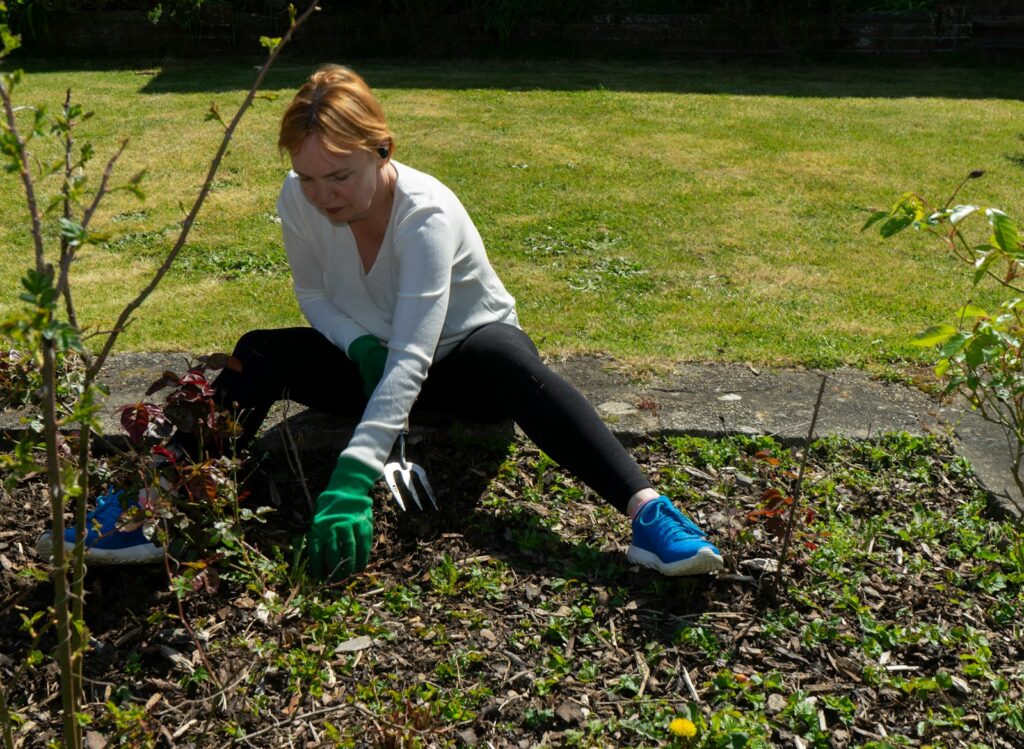
Warm weather combined with occasional rain spells means weeds thrive in June. Stay on top of them before they take over.
Hand-weed flower beds and borders, especially around perennials and newly planted shrubs.
Apply a layer of mulch (organic matter such as compost, bark chips, or well-rotted manure) around plants. This helps suppress weeds, retain moisture, and improve soil structure.
3. Lawn Care and Edging
A tidy, well-maintained lawn can dramatically improve the appearance of a garden.
-
Mow weekly in June, but avoid cutting the grass too short in hot, dry spells—this helps prevent it from drying out.
-
Edge the lawn regularly. Crisp edges around borders and paths give the garden a smart, polished look.
-
Feed your lawn with a summer-specific fertiliser to encourage lush, green growth.
-
If dry weather persists, water the lawn deeply (but infrequently) to encourage deep root growth.
4. Planting Summer Colour
Now is a great time to plant summer-flowering bedding and container plants. Add bursts of colour with petunias, begonias, lobelias, marigolds, and cosmos.
Use hanging baskets and containers to brighten patios, doorways, and balconies. Ensure they’re well watered, as pots dry out quickly. I’ve also noticed from my own hanging baskets, if you position them in a windy spot then you might need to water them extra. The wind seems to take the moisture with it and the flowers wither quickly.
Plant dahlias, cannas, and gladioli for a late summer burst of drama.
5. Tidy Paths, Patios, Fencing and Decking
It’s not just the plants that need tidying—hard landscaping areas also benefit from some attention. Here’s your checklist:
-
Weed between paving stones using a hoe or weed puller.
-
Use a pressure washer or stiff brush to clean patios, decking, and garden furniture, removing algae and dirt that accumulated over winter.
-
Reapply wood preservative or decking oil to timber structures to keep them looking fresh and protected from the elements.
Once you’ve done those jobs, make sure your fencing is up to scratch. You may need to replace, or even paint your fence panels. You can get your hands on any fencing and landscaping products you might need from G&G Fencing.
6. Support and Train Plants
Tall and vining plants need support to keep them upright and looking their best. Stake delphiniums, hollyhocks, and other tall perennials before they flop.
Tie in the new growth of climbers such as sweet peas, clematis, and honeysuckle. Use soft ties and ensure they’re attached securely but not too tightly. For tomatoes and beans in the veg garden, ensure supports such as canes or trellises are in place and adjusted as plants grow.
7. Watering and Feeding
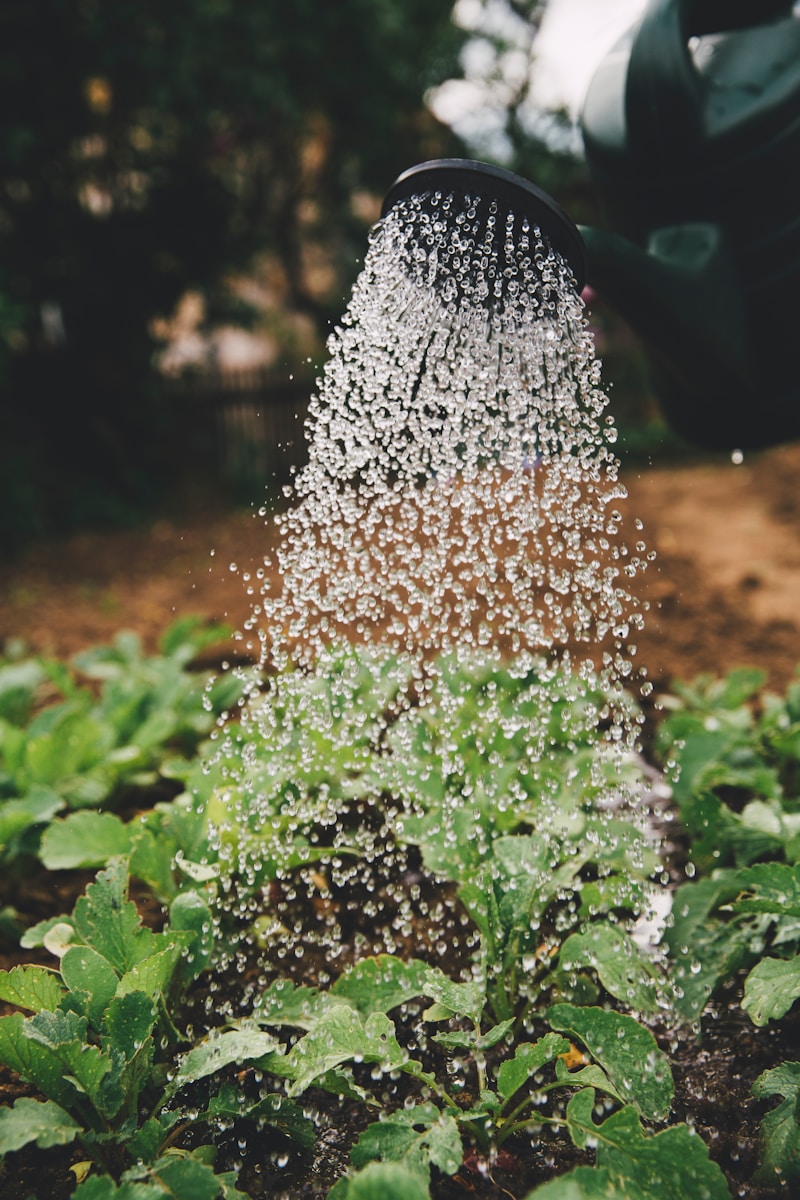
With increasing temperatures, your plants may need extra hydration and nutrients. Water early in the morning or late in the evening to reduce evaporation and focus watering on roots rather than foliage.
Use liquid fertilisers on containers and hanging baskets every 1–2 weeks to keep blooms going strong. Feed flowering plants and vegetables with an appropriate fertiliser—high potash feeds (like tomato feed) work well for promoting flowers and fruit.
8. Vegetable Garden Tasks
If you grow your own food, June is a busy and productive time. Here’s what to pay attention to:
-
Sow seeds of carrots, beetroot, lettuce, radish, French beans, and spring onions.
-
Harvest early crops like strawberries, salad leaves, and peas.
-
Keep earthing up potatoes to protect developing tubers from light.
-
Net fruit bushes to protect ripening berries from birds.
-
Keep an eye out for pests like aphids, slugs, and cabbage white butterflies—use organic controls or barriers as needed.
9. General Tidying and Waste Management
A tidy garden feels more inviting and relaxing. Clear away fallen leaves, dead plant matter, and garden debris and put them in the composter. While you’re at it, check compost bins – turning the compost helps it break down more efficiently.
Repair broken tools, damaged trellis, or leaning fence panels while the weather is good. It’s a miserable job in the cold and the rain. Plus it keeps your garden looking tidy going into the winter.
Refresh garden accessories – clean bird baths, refill feeders, and consider adding decorative touches like solar lights or ornaments.
10. Encourage Wildlife and Pollinators
A beautiful garden is also a thriving ecosystem. Here are some ideas for how to encourage pollinators and wildlife:
-
Let a small section of the garden grow wild to encourage bees, butterflies, and other beneficial insects.
-
Add a bug hotel, bird box, or small pond to support local wildlife.
-
Choose pollinator-friendly plants such as lavender, foxglove, echinacea, and verbena bonariensis.
Final Thoughts
June is a month of energy, beauty, and growth in the UK garden. With some careful tidying and thoughtful additions, you can transform your outdoor space into a colourful, welcoming retreat. Whether you’re nurturing a cottage garden, tending a vegetable plot, or simply maintaining a neat lawn and containers, these tasks will help your garden thrive throughout summer – and keep it looking its best for months to come.
So grab your gloves, uncoil the hose, and step into the sunshine. There’s plenty to do, and the rewards are as bright as a border full of blooms.