
Whether you’re new to renting out your properties, or you’re a seasoned landlord, it’s important to make your properties really rentable. These affordable decorating tips for landlords will help you set up your property for tenants. The properties will look the part, without costing you the earth.
The secret to decorating and maintaining properties it finding the balance between, quality, durability, style and affordable pricing. It might be tempting to make your property look like a luxury haven, but if it’s not a penthouse aimed for premiership footballers, it’s likely to be a waste of effort and money.
On the flip side, skimping on the décor can really harm your chances of letting a property when the competition is fierce. The secret is to offer a welcoming property, with good quality décor that’s easy for your tenant to maintain and will be quick to spruce up once they’ve left.
Affordable Decorating Tips for Landlords
When you’re letting a property, it needs to be stylish and liveable. The interiors need to be pitched just right for your market. For example, a student home is likely to be set up differently to a long-term let intended for young families.
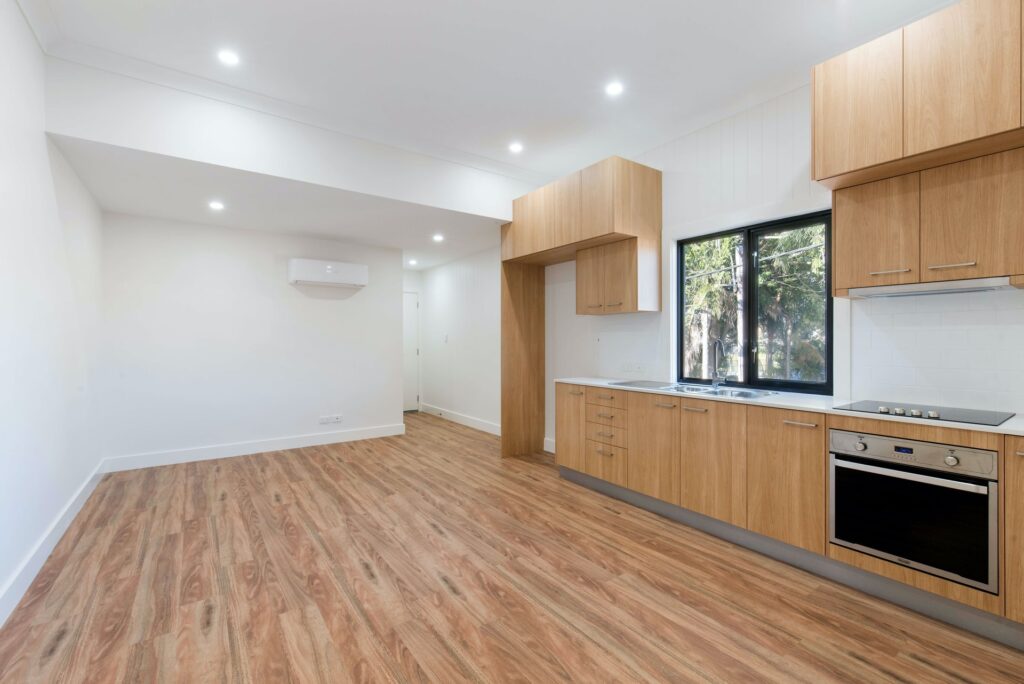
The décor will differ in style and functionality for different types of property. With the property market making it difficult for the younger generations to buy, renting is in huge demand. This means there are a lot of potential customers out there, but also a lot of competition.
Whatever the type of tenants you hope to attract, a good landlord’s insurance is essential. Tenants can break furniture, stain carpets, and cause all sorts of damager (on purpose or by accident), so insurance is important. Other things like flooding can happen, tiles can come of the roof, pipes can burst, and so on, so even with the perfect tenants, insurance is a must. Before letting the property, it would be wise to compare landlord insurance and choose something that is perfect for your specific needs – whatever they are.
Below are some top tips for making your property really rentable.
Pick a neutral colour scheme and stick to it
Neutral properties will always be sought after. People like to put their own stamp on a home, even if they’re only renting it. This means forcing a style onto them might make them think twice about choosing a property to live in. Trends like bright colours, or floral wallpaper tend to date, so if you want to create décor with longevity, it’s best to stay away from anything too individual.
A carefully looked after home might not need much touching up once one set of tenants have left, so if the colour scheme you choose won’t go out of fashion, then you’re only saving money.
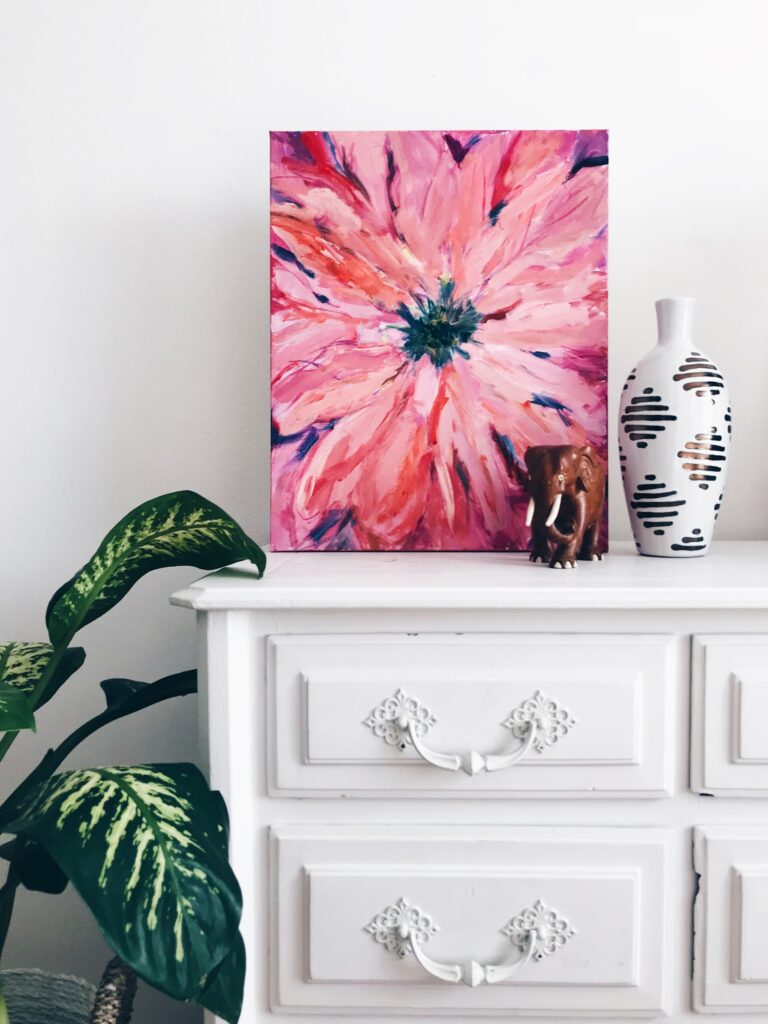
While most landlords will splash a cheap magnolia on the walls, it’s worth considering something slightly higher quality and different in tone for a welcoming look that’s light on wear and tear. Light colours are always preferred and creams and light greys don’t seem to lose popularity,
A mid-range paint will be easier to clean and less likely to chip, so it’s worth spending a little more when you decorate, with the view of spending less on maintenance over the years.
Consider the level of furnishing you’ll need
Not all rental properties should be furnished. This is because everyone’s needs are different. Homes aimed at families are less likely to need furniture. It’s more common for families to already have a full set up in their last property and will struggle with what to do with their own possessions if the house they want to rent is fully furnished.
Student houses, on the other hand, tend to welcome a level of furnishing. If they’ve come from halls, or their parents’ place, it’s likely students won’t have much in the way of furniture and will be expecting the basics like a bed, a desk and a wardrobe. This is pretty standard in student housing, and might be a reason for potential renters not to choose your property if it doesn’t come furnished.
If you’re letting a house, it’s best to leave it unfurnished. Some landlords don’t even provide an oven in the kitchen. In my opinion (as a renter myself), an incomplete kitchen put people off. Especially if you’ve got a young family. Moving is stressful enough without having to buy standard appliances for the kitchen.
Choose the flooring wisely
Choosing flooring can be a difficult one to decide on. My experience of rental properties is that they’re either kitted out with a very cheap carpet, or laminate flooring. While both of these options are pretty standard, there’s a case to be made for higher quality carpeting.
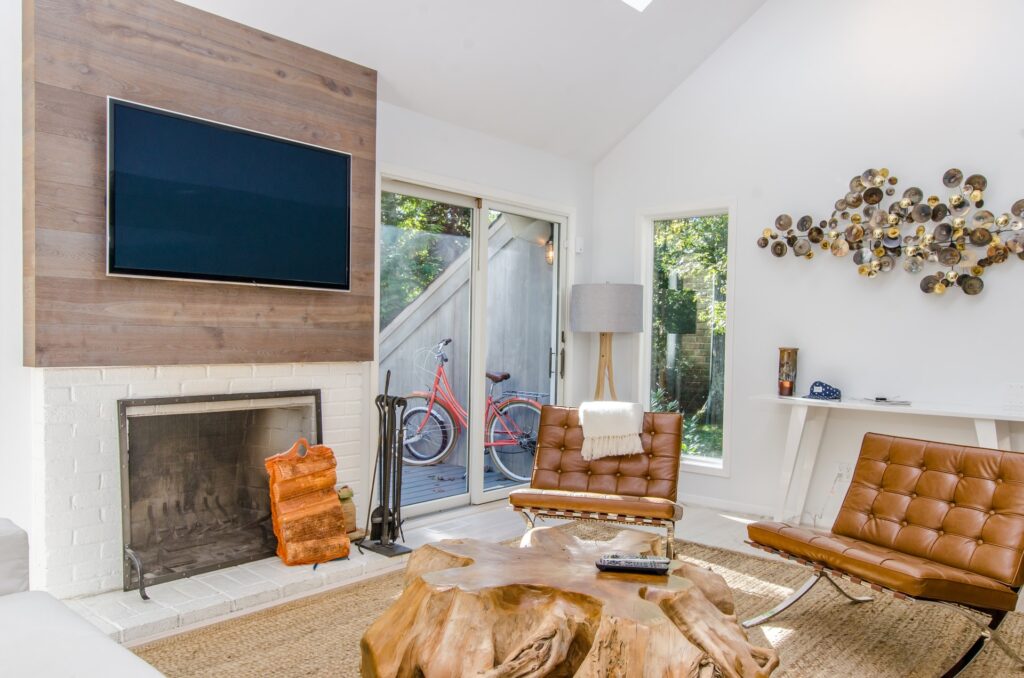
Cheap carpets tend to look well-worn with only the slightest usage. They stain easier, lose their fluffiness quickly and don’t look well looked after, even if they are. Better quality carpets cost a bit more, but in the long-run they have more life in them. Deep cleaning a better quality carpet seems to help revive it, whereas cheap, basic carpets seem unaffected by event the most thorough effort of revival.
Laminate is also good option. It can be more expensive than carpets to fit, but it’s often durable and less likely to become stained over time. When it comes to choosing flooring as a landlord – beware false economy!
You might also like: