

Parenting is one of the most rewarding, yet challenging, journeys a person can embark on. As children grow and develop, the role of toys evolves from simple playthings to tools that enhance learning, creativity, and social skills. From toddlers taking their first steps to teens exploring their independence, toys can be a pivotal part of their growth. In this article, we explore the best toys for all ages and how they benefit both children and parents alike, with a special focus on the advantages of climbing frame wooden sets and toddler toys.
Table of Contents
The Role of Toys in Child Development
Toys are far more than just distractions for children. They provide opportunities for growth in multiple areas, including physical, cognitive, emotional, and social development. During the early years, a child’s brain is developing rapidly, and engaging in meaningful play is a key way to foster this growth. As children get older, toys continue to support their development, albeit in different ways, encouraging problem-solving, independence, and social interaction.
Toddler Toys: The Building Blocks of Early Development
When children are toddlers, they are like sponges, soaking up everything around them. Their minds are learning to understand language, emotions, and cause-and-effect relationships. This is the ideal time to introduce toddler toys that stimulate their curiosity and help them explore the world in a safe and controlled way.
- Shape Sorters and Stackers Toys like shape sorters and stackers not only entertain toddlers but also teach them about shapes, sizes, and colours. These toys enhance hand-eye coordination and fine motor skills as toddlers figure out how to fit pieces together. The challenge of solving puzzles helps improve their problem-solving abilities, and the repetitive nature of the task builds memory and focus.
- Building Blocks Simple wooden blocks or plastic building sets are timeless toddler toys that help develop spatial awareness and creativity. As toddlers stack, arrange, and build with these blocks, they learn about balance, symmetry, and structure. The open-ended nature of building blocks allows children to use their imagination, creating everything from towers to entire villages.
- Interactive Books Books with buttons that produce sounds, textures to touch, or lift-the-flap features are fantastic for toddlers. These toys engage multiple senses, and the interactive elements promote cognitive development while fostering a love for reading. Additionally, books help with language development, encouraging toddlers to start speaking and identifying words and images.
Climbing Frame Wooden: A Multidimensional Toy for Toddlers and Beyond
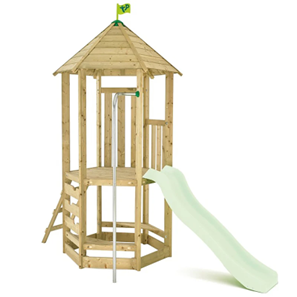
A climbing frame wooden set is an excellent addition to any home with young children. Not only does it provide hours of entertainment, but it also offers significant developmental benefits that help toddlers grow stronger, more confident, and more coordinated.
- Physical Development A climbing frame is the perfect toy for toddlers to work on their gross motor skills. As they climb, slide, and balance, they strengthen their muscles, improve their coordination, and develop better body awareness. These activities are essential for building physical confidence and fostering a sense of achievement.
- Social Interaction Wooden climbing frames are great for group play. If you have more than one child, a climbing frame can encourage teamwork, sharing, and communication. Whether siblings take turns on the slide or work together to climb, they learn important social skills like patience, negotiation, and collaboration.
- Long-Lasting and Sustainable Unlike many plastic toys, climbing frame wooden structures are durable and can be passed down through the generations. The natural wood aesthetic fits well in many homes, and their timeless design ensures that they won’t be outgrown too quickly. Many wooden climbing frames come with adjustable features, allowing them to grow with your child and continue to be used well into the early years of primary school.
Toys for Preschool and Early School-Age Children: Nurturing Independence and Creativity
As children grow older, their playtime becomes more complex. Preschoolers and young school-age children need toys that foster creativity, encourage independent thinking, and support more advanced cognitive and social skills. At this stage, parents can look for toys that will challenge their children and keep them engaged for longer periods.
- STEM Toys Science, technology, engineering, and mathematics (STEM) toys are an excellent way to encourage curiosity and problem-solving skills in children. Toys like building sets, coding kits, or simple robotics toys can help children develop an interest in STEM subjects early on. These toys are often designed to be open-ended, allowing children to experiment, test, and learn at their own pace. In addition, they promote critical thinking, creativity, and resilience, all essential skills for the future.
- Art and Craft Supplies For children who enjoy expressing themselves through creativity, art and craft toys are a must-have. Paints, markers, modelling clay, and craft kits enable children to experiment with colour, texture, and form. The act of creating something with their hands builds fine motor skills and boosts self-esteem, while also allowing them to develop their imaginations.
- Board Games and Puzzles Board games are a fantastic way for children to develop social and cognitive skills. Games that require taking turns, following rules, or strategising teach patience, cooperation, and focus. Puzzles, whether jigsaw or 3D, enhance problem-solving abilities and help children build perseverance as they work through challenges.
Teen Toys: Fostering Independence and Critical Thinking
As children become teens, their interests shift towards more mature activities, but toys and games continue to play a vital role in their development. Teen toys often involve more complex activities that challenge their critical thinking, creativity, and social skills.
- Model Kits and DIY Projects Teenagers often enjoy hobbies that require a hands-on approach, such as model-building, woodworking, or crafting. These types of toys not only enhance their creativity but also teach patience, focus, and attention to detail. DIY projects are a perfect way for teens to express their individuality while learning practical skills.
- Video Games with Educational Content While screen time is often criticised, not all video games are created equal. Educational video games that focus on strategy, puzzles, and storytelling can challenge teens and stimulate their minds. When chosen carefully, these games can teach history, maths, and problem-solving, all while offering a fun and engaging experience.
- Sports Equipment Teenagers, especially those involved in team sports, benefit from having the right equipment to practice and improve. Whether it’s a new football, basketball, or skateboard, sports toys support physical health, team-building, and leadership skills. They also promote a balanced lifestyle, which is vital as teens navigate the challenges of adolescence.
The Parent’s Perspective: How Toys Benefit You
While toys play an essential role in the development of children, they also offer tangible benefits to parents. When chosen carefully, toys can reduce stress, promote independence, and provide opportunities for bonding.
- Encouraging Independent Play As children grow, it’s important for them to learn how to entertain themselves. Toys that engage children independently can give parents much-needed breaks. A well-designed climbing frame wooden structure, for instance, allows children to burn off energy while also encouraging them to play alone or with siblings.
- Reducing Screen Time With the rise of digital entertainment, parents may feel overwhelmed by the amount of time their children spend on screens. Traditional toys, such as building blocks, board games, or art supplies, offer healthy alternatives to screen time. These toys encourage active, hands-on play, which has been shown to improve attention spans and reduce sedentary behaviour.
- Bonding Opportunities Playing with children is one of the most enjoyable ways to bond. Many toys, such as board games, puzzles, or building sets, can be enjoyed by both parents and children. These moments of shared playtime help strengthen family relationships and create lasting memories.
Conclusion
Toys are more than just tools for entertainment; they are essential tools for fostering growth, development, and connection. Whether you have a toddler just beginning to explore the world or a teenager seeking to express their independence, the right toys can enhance learning, promote physical health, and support emotional well-being. From climbing frame wooden structures that encourage physical play to toddler toys that ignite curiosity, the best toys help children grow into confident, capable individuals – all while making life a little easier for parents.